STOPPERS
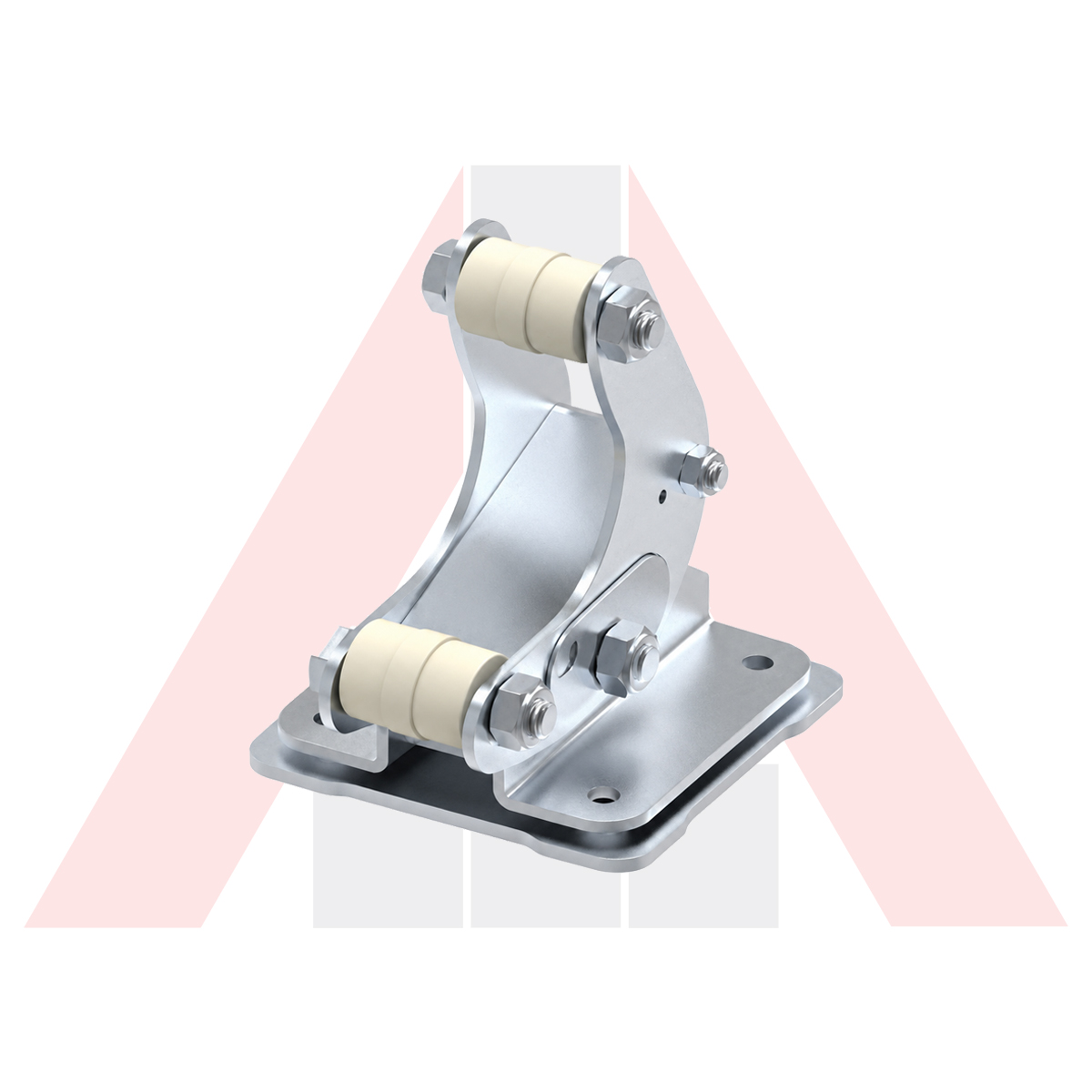
A rising stopper does more than mark the end of travel. As the gate enters the receiving mechanism, its closing movement activates a lifting action that raises and supports the leading end. This transfers part of the load to the receiving foundation, reducing stress on the gate’s main supporting components while closed.
The articulated mechanism provides a progressive transition into the resting position and assists the initial release as the gate reopens. Correct engagement depends on matching the stopper to the gate’s approach height, receiving detail and specified load limits. For suitable Guardian installations, it offers a practical combination of travel limitation and closed-position support.
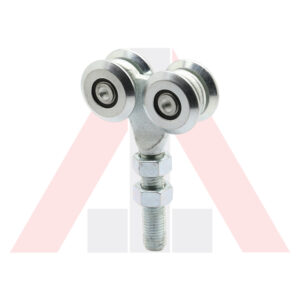
Conventional stoppers provide fixed points of contact within the gate’s operating range. Depending on their purpose, they may form the front receiving arrangement or act as a mechanical limit to prevent further travel.
The selected fitting should match the part of the gate it receives and the forces expected at that location. A front strike and a travel-limit stop perform different tasks, so their positions and mounting details must follow the complete system layout. Unlike a rising stopper, a conventional stop does not introduce an articulated lifting action. Its effectiveness rests on firm attachment, accurate alignment and contact at the intended point.